Arctoris Receives Investment from Formic Ventures
Arctoris has been featured by Formic Ventures following the firm’s investment in the company. Formic Ventures is a venture capital firm focused on supporting biotechnology startups and innovations that can improve human health and longevity. The investment reflects confidence in Arctoris’ automated drug discovery platform, which combines robotics, advanced data generation, and scientific expertise to…
Read MoreArctoris Featured in Royal Society of Biology Series: On the Frontier of Drug Discovery
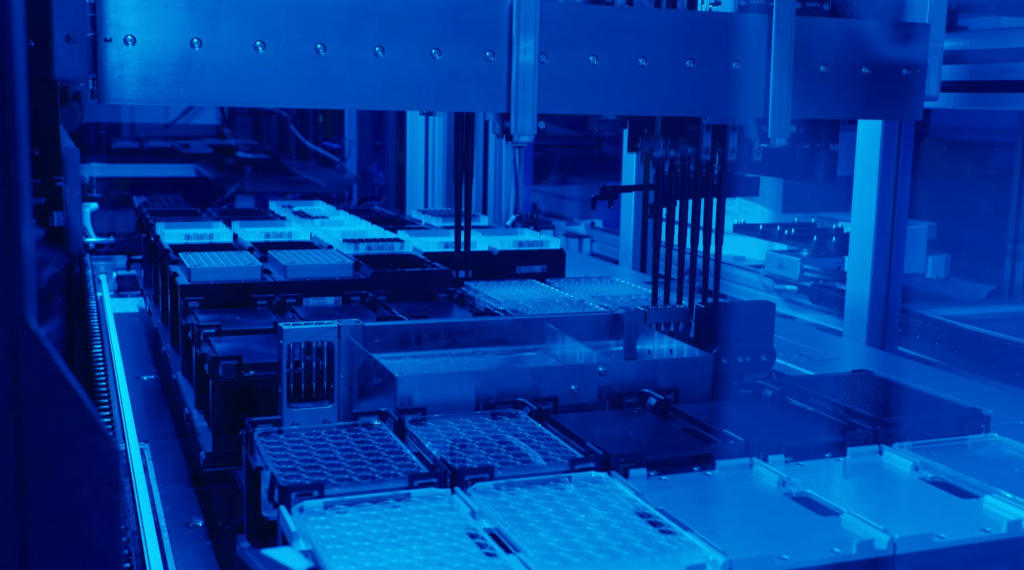
Arctoris is featured in a video from the Royal Society of Biology’s Biology for a Better Tomorrow series exploring how technological innovation is transforming the drug discovery process. The video highlights the longstanding challenges in pharmaceutical R&D, where traditional approaches to drug discovery are often slow, manual, and resource-intensive. Emerging technologies such as laboratory automation,…
Read MoreArctoris Featured in Labiotech: Automating Cancer Research
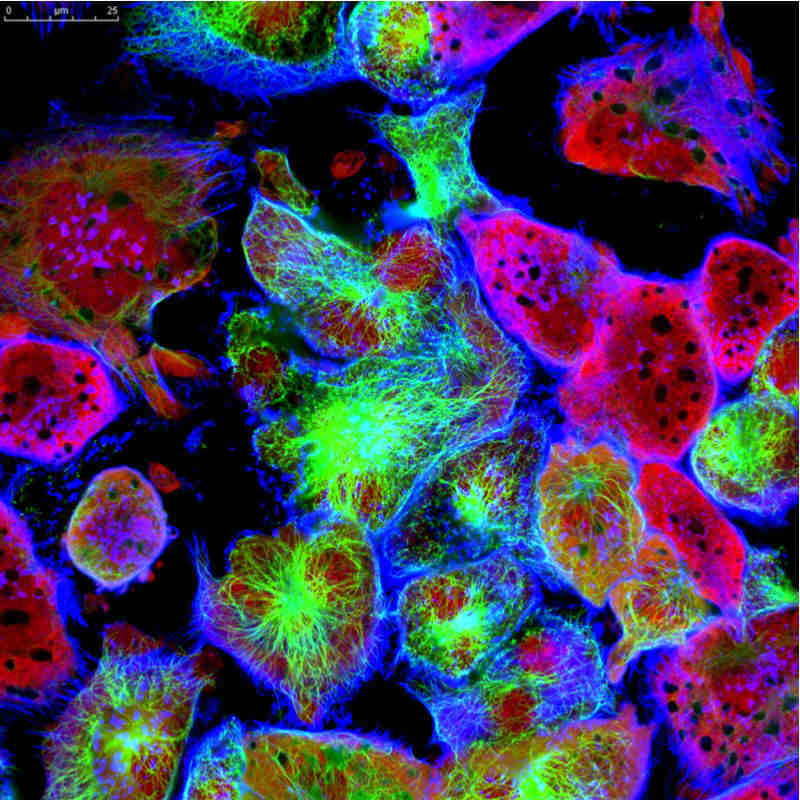
Arctoris was featured in a Labiotech article exploring how automation technologies are transforming cancer research. The piece highlights how robotic laboratories and digital experiment management platforms can help researchers conduct complex biological experiments more efficiently. The article describes Arctoris’ vision of enabling scientists to run experiments remotely through an automated research platform. Researchers can configure…
Read MoreArctoris Featured in Nanalyze: Life Sciences Laboratory Automation
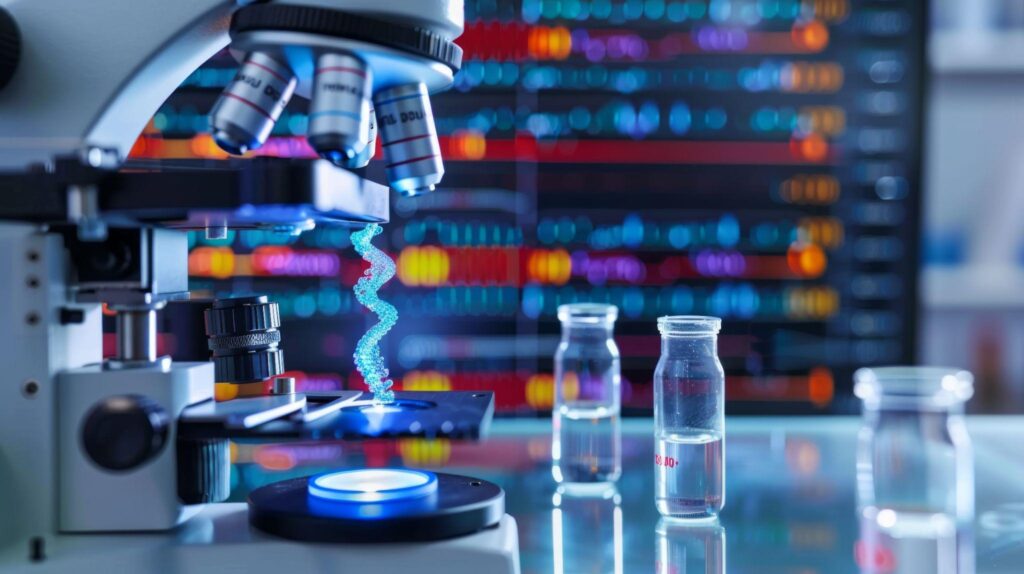
Arctoris was featured in an article by Nanalyze examining the growing role of automation in life sciences laboratories. The piece explores how robotic experimentation and automated laboratory platforms are transforming drug discovery by enabling faster, more reproducible research. As pharmaceutical R&D becomes increasingly data-driven, laboratory automation allows scientists to run experiments at greater scale and…
Read MoreHigh-Throughput Transcriptomics for Scalable Phenotypic Screening – Alithea Genomics Collaboration
Scalable drug discovery demands phenotypic data that is both mechanistically rich and compatible with high-throughput, AI/ML-driven analysis, yet conventional RNA-seq workflows remain difficult to scale…
Read More310.ai and Arctoris Partner to Pioneer AI-Designed Proteins for Cardiac Therapy
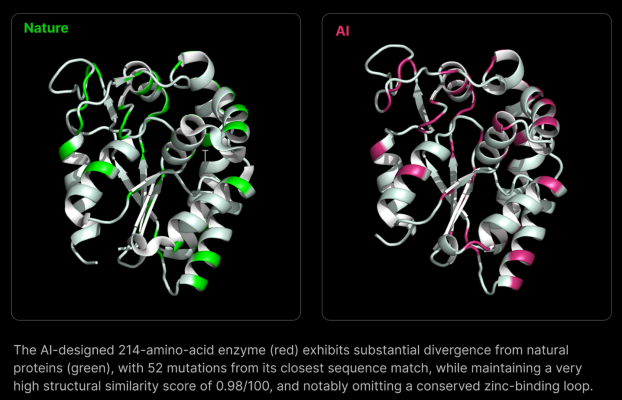
What if AI could design a brand-new protein, from scratch, to tackle heart disease? That’s no longer science fiction. In a breakthrough collaboration, 310.ai and Arctoris have validated the first de novo protein from 310’s MP4 platform that binds ATP – a critical step towards restoring energy in failing hearts. Targeting the Root Cause of Heart Failure Heart failure affects over…
Read MoreCombining Mechanistic Enzymology, Precision Biochemical Experimentation and Simulation in Drug Discovery

Integrating mechanistic enzymology with precision experimentation techniques and streamlined data simulation capabilities brings new levels of detailed understanding to the field of drug discovery and enables the comprehensive characterisation of the modes by which enzyme activators and inhibitors exert their effects. By integrating mechanistic enzymology with precision experimentation techniques and streamlined data simulation, we can…
Read MoreMacrocycles! The next chapter in small molecule drug discovery?
The Therapeutic Potential of Macrocycles in Drug Discovery Structural and Conformational Properties: Macrocycles exhibit distinct physicochemical characteristics that differentiate them from conventional small molecules. Their cyclic architectures confer a degree of conformational rigidity while maintaining three-dimensional complexity. This combination enables well-defined interactions with biological targets. As a result, macrocycles often demonstrate high binding affinity and…
Read MoreWhy Kinetics Matter
Kinetic analysis plays a central role in drug discovery by characterising the temporal aspects of drug–target interactions. These studies provide quantitative insight into binding and dissociation processes, informing key pharmacological properties such as potency, selectivity, and duration of action. Predicting drug efficacy: Kinetics can help predict how quickly a drug will bind to its target…
Read MoreBiotech 3.0: Data as the Catalyst for the Next Revolution in Drug Discovery

The integration of machine learning (ML) into small-molecule drug discovery has long been heralded as the game-changer that would bring about rapid advancements in the development of new therapeutics. Despite significant investments and the creation of increasingly sophisticated models, the substantial improvements in efficiency and anticipated outcomes have yet to materialise. The reasons for this,…
Read More