Scientific Resources
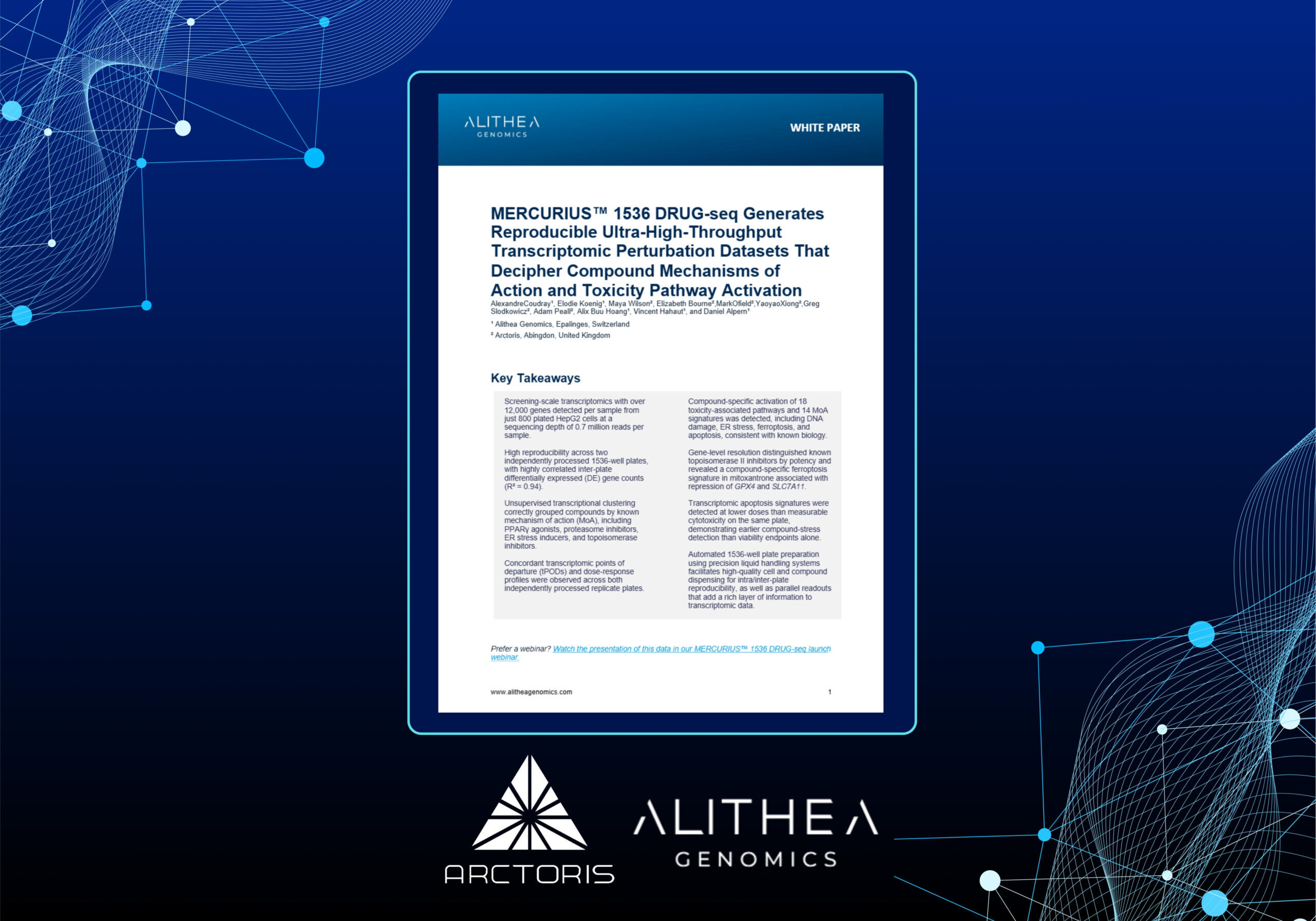
MERCURIUS™ 1536 DRUG-seq Generates Reproducible Ultra-High-Throughput Transcriptomic Perturbation Datasets That Decipher Compound Mechanisms of Action and Toxicity Pathway Activation (opens in new tab)
In this whitepaper, Alithea Genomics demonstrates the performance of MERCURIUS™ 1536 DRUG-seq, an ultra-high-throughput, RNA-extraction-free 3′ mRNA-seq technology designed to…
Automated 1536-Well Workflows for DRUG-seq and Cell Painting (opens in new tab)
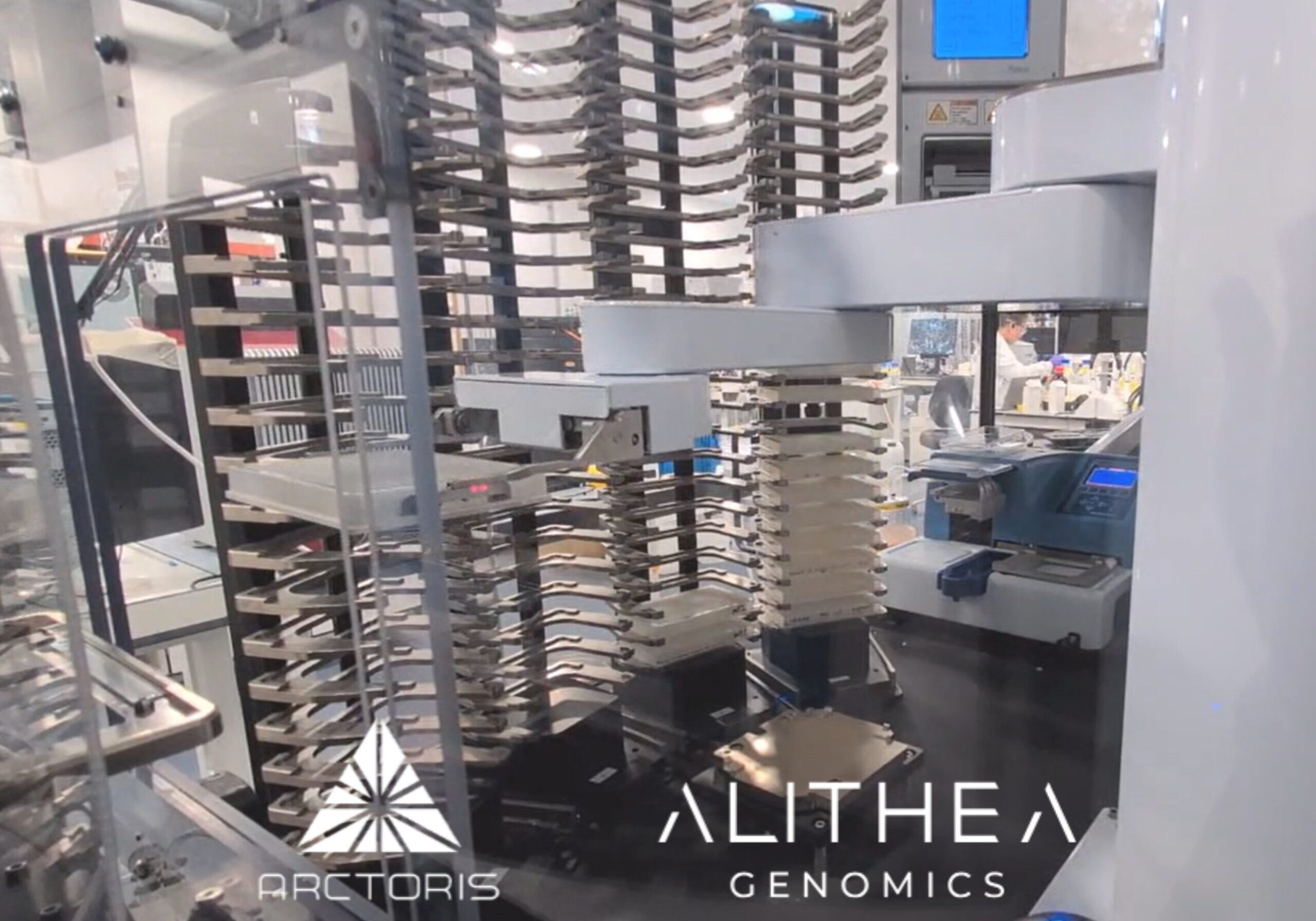
Learn how 1536-well whole-transcriptome profiling, combined with Arctoris’ automated Ulysses® platform, can support reproducible, high-throughput compound profiling and perturbation dataset…
Ulysses® Automation Platform Integrates Real-Time Viability Kinetics and Cell Painting Phenotypic Profiling for Hepatotoxicity Assessment (opens in new tab)
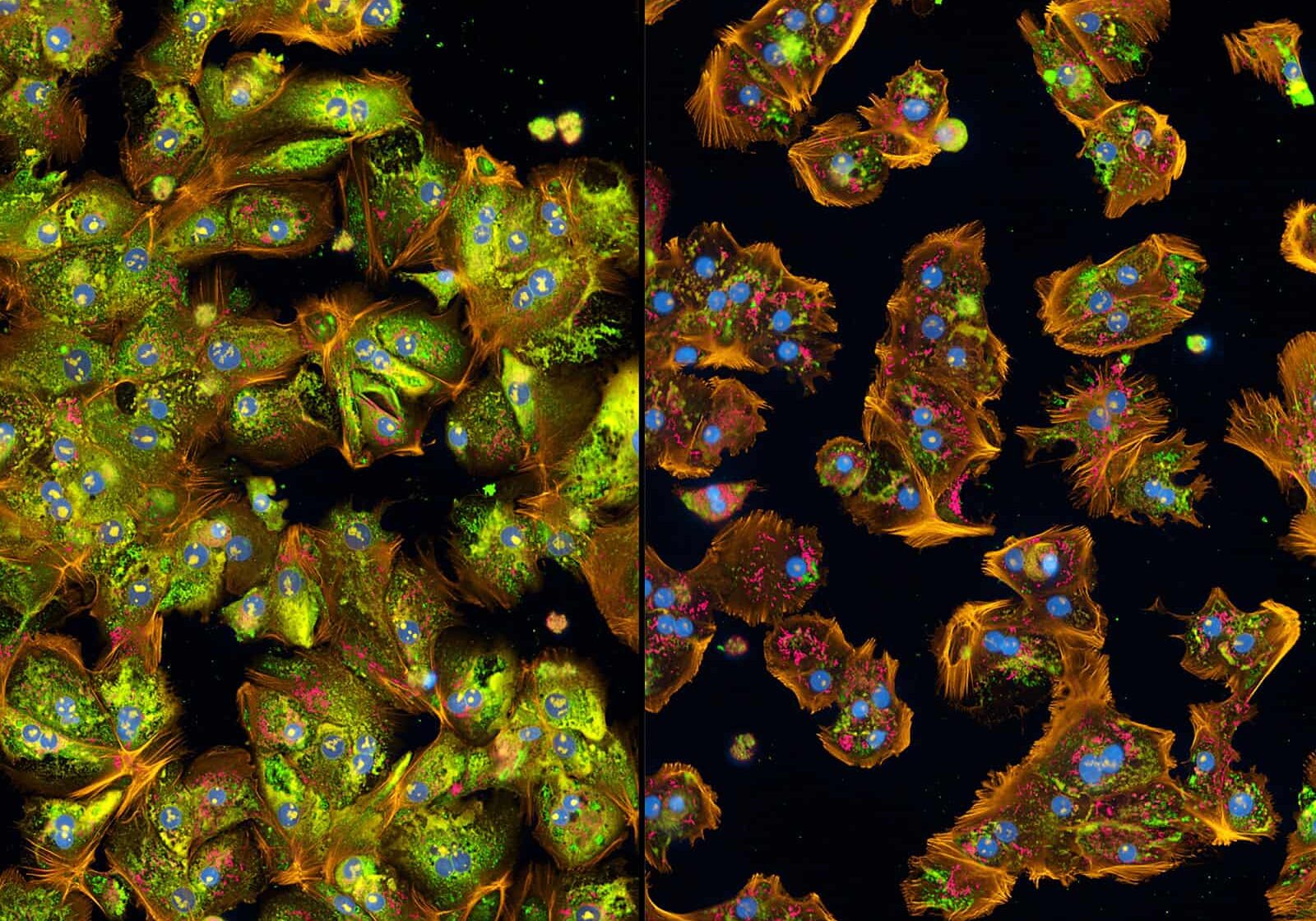
Drug-induced liver injury (DILI) remains a leading cause of drug attrition and post-market withdrawal, underscoring the need for more predictive…
A Fully Automated, High-Throughput iPSC-Derived Cortical Triculture to Increase Throughput and Reproducibility in Neuroscience Drug Discovery (opens in new tab)
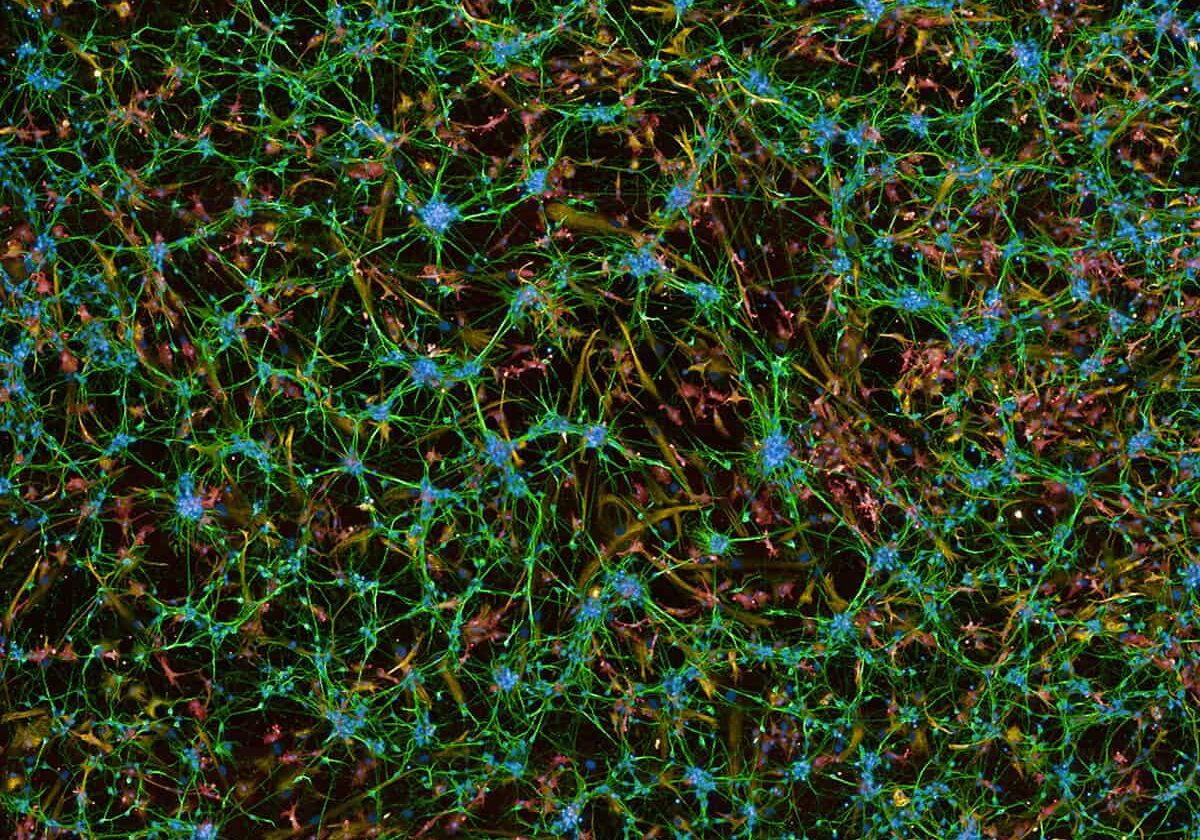
Translating neuroscience discoveries into effective therapies remains challenging: in 2024, only around 7% of drug trials resulted in approved treatments,…
High-Throughput Transcriptomics for Scalable Phenotypic Screening – Alithea Genomics Collaboration (opens in new tab)
Scalable drug discovery demands phenotypic data that is both mechanistically rich and compatible with high-throughput, AI/ML-driven analysis, yet conventional RNA-seq…
310.ai and Arctoris Partner to Pioneer AI-Designed Proteins for Cardiac Therapy (opens in new tab)
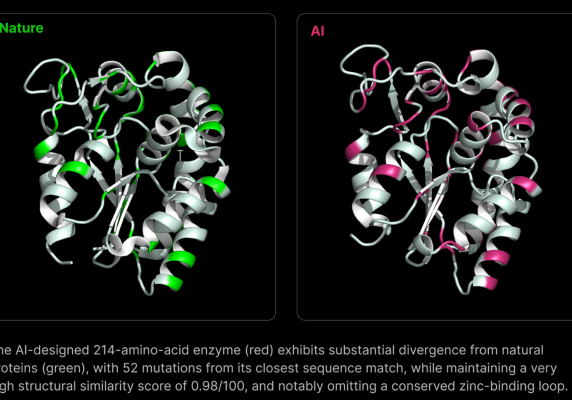
What if AI could design a brand-new protein, from scratch, to tackle heart disease? That’s no longer science fiction. In…
Combining Mechanistic Enzymology, Precision Biochemical Experimentation and Simulation in Drug Discovery (opens in new tab)
Integrating mechanistic enzymology with precision experimentation techniques and streamlined data simulation capabilities brings new levels of detailed understanding to the…
Why Kinetics Matter (opens in new tab)
Kinetic analysis plays a central role in drug discovery by characterising the temporal aspects of drug–target interactions. These studies provide…
Biotech 3.0: Data as the Catalyst for the Next Revolution in Drug Discovery (opens in new tab)
The integration of machine learning (ML) into small-molecule drug discovery has long been heralded as the game-changer that would bring…
Building the Future of Drug Discovery (opens in new tab)
Foundation Models and the Power of Proprietary Experimental Data In recent years, foundation models have revolutionised fields from natural language…
Molecular glues – A sticky subject (opens in new tab)
Molecular glues are small molecules that can bind to two or more proteins, facilitating their interaction and potentially leading to…